If your maintenance budget has blown past last year’s numbers and nothing about your fleet has actually changed, you’re not imagining it. Rising fleet parts costs are a documented, accelerating line item, not a vague industry complaint, and they’re hitting fleets across trucking, construction, landscaping, waste, oil and gas, and passenger transport at the same time. This isn’t a piece about “costs are up, brace yourself.” It’s about what that increase is actually doing to your operation beyond the invoice, and what a fleet manager can realistically do about it.
How Much Have Fleet Parts Costs Actually Gone Up?
Repair and maintenance costs for trucking fleets have climbed to roughly 21.5 cents per mile, an 8.6% increase year over year, according to the American Transportation Research Institute’s 2026 Analysis of the Operational Costs of Trucking. Tire costs are up as well, to around 5 cents per mile, a 6.4% increase driven in part by tariffs on rubber and other raw materials. Combined with other rising line items, ATRI puts the overall per-mile cost of trucking operations at $2.336, up 3.4% year over year and a record high for the industry.
Those figures are specific to trucking, so a landscaping or waste fleet shouldn’t expect the exact same percentages. But the underlying pressure, tariffs, parts shortages, and rising labor rates, is showing up across every vertical that depends on vehicle and equipment parts. If your invoices look worse than last year’s without a clear internal reason, the market is the reason.
This also isn’t a one-year spike that will correct itself. ATRI’s data shows repair and maintenance costs climbing for several consecutive years now, which is exactly why “fleet maintenance is so expensive” has become a common search and boardroom question rather than a one-off complaint. A fleet manager comparing this year’s parts spend to a budget built two or three years ago is comparing against numbers that no longer reflect the market they’re actually buying parts in.
What’s Actually Driving Parts Prices Higher
None of this comes down to simple inflation. A handful of specific, mostly external forces are pushing parts prices up at the same time, and none of them are things a single fleet can fix on its own.
Tariffs and raw material costs are the most direct driver. Rubber, steel, and the electronic components inside modern parts have all gotten more expensive to source and import, and those costs pass straight through to the parts counter. That’s a large part of why tire costs specifically have climbed as fast as they have, since tires are one of the most rubber-intensive, tariff-exposed parts categories on any vehicle.
Parts shortages compound the problem. Catalytic converters, for example, have faced lead times stretching three to six months in some markets, and a part that isn’t available on the shelf doesn’t just cost more, it costs downtime while a vehicle waits. That waiting period is often more expensive to a fleet than the part itself, since it’s the vehicle sitting idle rather than the invoice that actually hurts revenue.
Vehicle and equipment complexity adds another layer. A modern truck or piece of equipment carries far more sensors and electronic components than one built a decade ago, and a repair that used to be a straightforward mechanical fix now often requires recalibrating a camera or sensor system as part of the job. Replacing a windshield or a bumper on a vehicle with advanced driver assistance features, for instance, can mean an additional recalibration step that didn’t exist on the same repair five years ago, adding both time and cost to what used to be routine work.
Finally, a shrinking pool of qualified technicians is pushing labor rates up alongside parts prices, which means the same repair costs more in total even when the part itself is priced the same as last year. Fewer available technicians also means longer scheduling delays at outside shops, which stacks another layer of downtime on top of the parts lead time itself.
Fleets can’t negotiate tariffs away or manufacture their own technicians. What they can control is how those pressures translate into their own maintenance budget, which is where the real opportunity sits.
The Operational Impact Goes Beyond the Parts Invoice
The invoice is the easiest part of this to see and the least useful place to focus. Rising parts costs show up in three ways that matter more to day-to-day operations than the price on a work order.
First, extended repair times. A part on backorder keeps a vehicle sitting in the shop for weeks instead of days, and every one of those days is a vehicle that isn’t generating revenue or completing work. A single truck or piece of equipment parked for two extra weeks waiting on a part can cost a fleet more in lost productivity than the part itself, even before the shop bill arrives.
Second, forced extension of aging equipment’s service life. When replacement units are scarce or expensive, fleets hold onto older vehicles and equipment longer than planned, and older assets need more frequent, more expensive repairs, not fewer. That creates a compounding problem: the same market pressure that makes replacement expensive also makes the repairs on the equipment you’re holding onto longer more expensive too.
Third, unpredictable budgeting. A fleet manager who built this year’s maintenance budget off last year’s costs is probably already over, because parts costs aren’t following a stable, forecastable curve the way they used to. Explaining a maintenance overrun to a CFO or owner is a very different conversation when it’s backed by specific data on which assets and which parts categories drove the overage, rather than a general shrug that “everything costs more now.”
Where Fleets Are Losing the Most Money Without Realizing It
Rising parts prices hurt every fleet. But the fleets losing the most money aren’t necessarily the ones with the oldest equipment. They’re the ones losing money in ways that don’t show up clearly on a single invoice.
1. Reactive Repairs Instead of Caught-Early Defects
A defect caught during a routine inspection is a parts-and-labor job on your schedule. The same defect ignored until it fails is a tow, a missed delivery or job, and often a repair several times more expensive than it would have been a week earlier. A truck maintenance checklist that drivers actually complete, not just sign, is the cheapest insurance a fleet has against paying retail-plus-downtime for a problem that started small.
2. Extended Equipment Life Without Adjusted Maintenance Plans
Keeping a vehicle or piece of equipment longer than planned isn’t the mistake. Keeping it longer without tightening the preventive maintenance schedule around it is. An asset running past its original replacement window needs closer attention, not the same interval it got when it was three years newer, and fleets that don’t make that adjustment end up paying for the extension in unscheduled major-component failures instead of planned service visits.
3. No Visibility Into Which Assets Are Actually Driving Cost
Without centralized maintenance data, a fleet manager can’t answer a basic question: is this cost increase broad-based, or is it concentrated in a handful of aging, high-maintenance units that would actually be cheaper to replace than to keep repairing? Without that visibility, every asset gets treated the same, and the fleet keeps sinking money into the small number of vehicles or equipment pieces that are quietly driving most of the increase. Solid fleet asset management practices exist specifically to answer that question with data instead of a guess.
4. Vendor and Parts Sourcing Left to Chance
Ad hoc vendor relationships and one-off, emergency parts purchases mean a fleet is paying close to retail for parts it could have sourced more efficiently with better lead time and planning. Without forecasted need built from maintenance history, there’s no data to negotiate pricing with and no reason for a vendor to prioritize your order over anyone else’s. Emergency, same-day parts orders are almost always the most expensive way to buy, and a fleet that’s constantly buying under time pressure is paying a premium on top of the market-wide price increases everyone else is already absorbing.
How to Mitigate Rising Parts Costs Without Just Absorbing Them
None of this is about eliminating rising parts costs. Tariffs, shortages, and labor rates aren’t going away because one fleet gets more organized. What a fleet can control is how much those pressures actually cost, and that comes down to a few concrete shifts.
Move from a generic calendar-based service schedule to preventive maintenance built around real usage data, mileage, engine hours, and inspection findings, so service happens when an asset actually needs it instead of on a fixed date that’s either too early or too late. A truck serviced on a rigid 90-day calendar might sit unnecessarily long between real needs during light-use months, then hit a major interval right in the middle of your busiest season, purely because the calendar doesn’t know how the vehicle is actually being used.
Use inspection and defect history to make repair-versus-replace decisions on a per-asset basis rather than a fleet-wide policy that treats every vehicle the same. An asset with a climbing repair history and falling utilization is a different decision than one with the same age but a clean maintenance record, and that distinction only shows up when the data is centralized instead of scattered across paper files and individual mechanics’ memory.
Build parts and vendor relationships around forecasted needs instead of emergency purchases, and use that same maintenance history to negotiate with vendors from a position of data instead of guesswork. A fleet that can tell a vendor “we’ll need roughly this many brake jobs and this many tire replacements over the next quarter” is in a fundamentally different negotiating position than one calling in a panic when a vehicle is already down. None of these require a bigger budget. They require better use of the information a fleet is already generating every day.
Making that case internally often comes down to showing the numbers. If a maintenance software investment is on the table, the ROI on asset maintenance software is usually easier to justify against rising parts costs than against a flat budget, since the alternative to spending on visibility is spending more on the repairs that visibility would have prevented.
Using Data to Get Ahead of Parts Costs Instead of Reacting to Them
The fleets absorbing rising parts costs the worst are the ones finding out about a problem the same day it becomes urgent. Centralizing inspection, defect, and repair history turns “parts costs are up” from a monthly surprise into a forecastable, manageable line item, because patterns that are invisible on a single work order become obvious across a full maintenance history.
Connecting that maintenance data to telematics sharpens the picture even further, tying engine fault codes, utilization, and location data to the same repair record instead of treating them as separate systems that never talk to each other. A fleet running data-driven fleet management isn’t guessing which asset needs attention next month. It already knows, because the data has been building the answer since the last inspection. For fleets already running a telematics platform, it’s worth understanding how to combine Whip Around with your telematics system rather than treating inspection data and telematics data as two separate tools that never inform each other.
How Whip Around Helps Fleets Get Ahead of Rising Parts Costs
Whip Around’s fleet maintenance software is built around the same idea running through every mitigation strategy above: catch problems early, and use real data to decide what happens next.
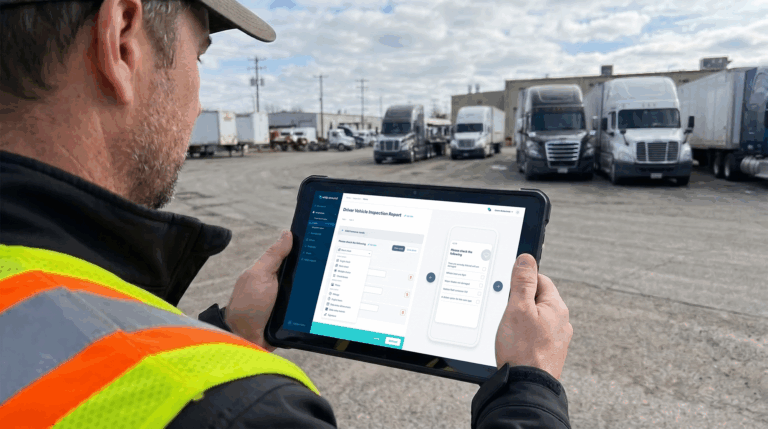
Digital inspections catch defects while they’re still a routine repair instead of an expensive failure, and defect-to-work-order automation removes the gap between a driver noting a problem and a technician actually acting on it. That gap, more than any single price increase, is where a lot of avoidable cost hides. Preventive maintenance scheduling by mileage, engine hours, or calendar means service intervals track how an asset is actually being used rather than a fixed date, which matters more than ever when every unnecessary or mistimed service visit adds cost that didn’t need to happen.
Centralized maintenance history gives fleet managers the data to make repair-versus-replace and vendor decisions based on what an asset has actually cost over time, not a rough estimate. AI Inspections Pro can flag likely defects directly from inspection photos, catching issues a rushed walk-around might miss, and Wallet keeps warranty documents, parts receipts, and service records stored alongside the rest of an asset’s history so a repair-versus-replace decision doesn’t require digging through separate filing systems to find. None of this makes parts cheaper. It makes sure the parts a fleet actually needs get identified and handled before a small problem turns into a five-figure one.
Conclusion
Fleets can’t control tariffs, parts shortages, or the technician labor market, and pretending otherwise doesn’t help anyone build a realistic budget. What a fleet can control is how much those pressures actually cost: catching defects early instead of paying for failures, making replacement decisions with data instead of guesswork, and treating maintenance as a managed budget line instead of a reactive expense that only gets attention after it’s already too high. That shift doesn’t happen by accident. It happens with the right inspection and maintenance process behind it.
If rising parts costs are already reshaping your maintenance budget, see how Whip Around’s inspection and maintenance tools can help you catch problems earlier and make smarter repair-versus-replace decisions. Start a trial to see it against your own fleet’s numbers.