Waste and recycling fleets operate on stop-and-go routes, tight service windows, heavy loads and constant vehicle wear which can make downtime especially expensive.
That’s why more operators are turning to automated waste fleet management.
Instead of relying on manual processes, disconnected systems and reactive repairs, automation connects inspections, maintenance and fleet visibility into a single, streamlined workflow. The result is fewer breakdowns, safer operations and better cost control.
What Is Automated Waste Fleet Management?
Automated waste fleet management is the use of software and connected systems to streamline inspections, maintenance, compliance and operational visibility across waste and recycling fleets.
Rather than managing these processes manually, automation allows fleets to:
- Digitize inspections and defect reporting
- Trigger maintenance based on real usage data
- Track vehicle condition and history in real time
- Centralize records for compliance and reporting
- Improve decision-making using operational data
For waste operators, this is a shift toward a more proactive and efficient operating model.
If you’re managing fleets in the waste recycling industry, automation is quickly becoming essential for staying competitive.
Where Waste Fleets Lose Money Without Automation
Before looking at the benefits, it’s important to understand where inefficiencies typically occur.
Without automation, waste fleets often struggle with:
Missed or inconsistent inspections
Paper-based or manual inspections lead to overlooked defects and compliance gaps.
Reactive maintenance
Repairs happen only after breakdowns, increasing downtime and costs.
Poor visibility into fleet health
Disconnected systems make it difficult to understand vehicle conditions across the fleet.
Delayed repairs
Lack of coordination between drivers, maintenance teams and parts inventory slows everything down.
Limited data for decision-making
Without centralized data, identifying trends or recurring issues becomes nearly impossible.
These gaps create a cycle of inefficiency that drives up costs and reduces uptime.
How Fleet Automation for Waste Trucks Improves Daily Operations
Automation directly addresses these challenges by connecting workflows and eliminating manual bottlenecks.
Automate inspections so defects are caught before trucks go out
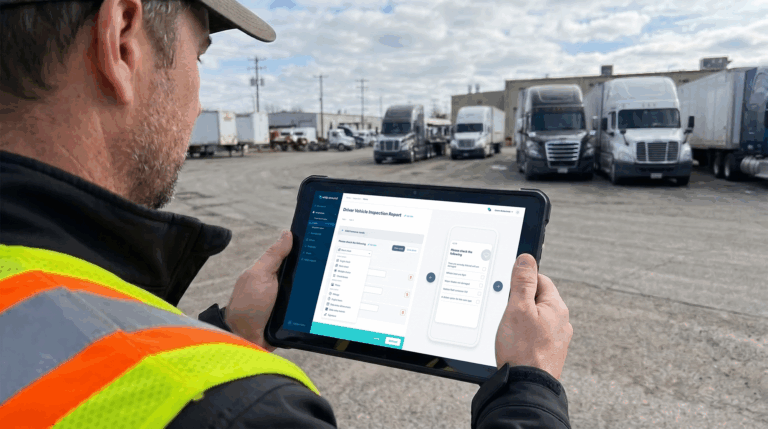
Digital inspections ensure every vehicle is checked consistently before and after routes. Drivers can quickly log defects, attach photos and submit reports in real time.
This prevents unsafe vehicles from hitting the road and reduces the risk of costly breakdowns.
Automate preventive maintenance based on the right service triggers
Instead of relying on fixed schedules, automated systems trigger maintenance based on actual usage, mileage or engine hours.
This ensures vehicles are serviced at the right time, improving longevity and reducing unnecessary maintenance.
Automate defect-to-repair workflows to reduce downtime
When a defect is reported, automation can immediately notify maintenance teams, create repair tasks and prioritize work.
This eliminates communication delays and helps vehicles get back on the road faster.
Use maintenance history to identify repeat issues across waste trucks
With centralized records, fleets can track recurring defects and identify patterns across vehicles.
This allows teams to address root causes rather than repeatedly fixing the same problems.
Track parts inventory so repairs are not delayed
Automation can also help track parts availability, ensuring repairs aren’t delayed due to missing components.
This is especially important for waste fleets where downtime directly impacts service schedules.
Improve accountability with real-time records and fleet visibility
With digital records and real-time updates, managers can see what’s happening across the fleet at any moment.
This improves accountability for drivers, technicians and operations teams.
Support automated waste fleet optimization with better operational data
Automation generates valuable data that can be used to improve route efficiency, reduce idle time and optimize overall fleet performance.
Insights from data fleet management help fleets move from guesswork to data-driven decisions.
Key Features to Look for in Automated Waste Fleet Management Software
Not all solutions offer the same capabilities. Waste fleets should look for platforms that include:
- Digital DVIR and inspection workflows
- Automated maintenance scheduling and tracking
- Real-time defect reporting and alerts
- Centralized vehicle and maintenance history
- Parts and inventory tracking
- Reporting and analytics dashboards
- Mobile accessibility for drivers and technicians
Additionally, solutions that incorporate AI in fleet management are helping fleets unlock even more predictive insights and operational efficiencies.

How Whip Around Supports Automated Waste Fleet Management
Whip Around is designed to help waste fleets automate the workflows that matter most.
With Whip Around, fleets can:
- Digitize inspections with customizable checklists
- Automatically flag and track defects
- Streamline maintenance workflows from report to repair
- Maintain complete service histories for every vehicle
- Improve compliance with accurate, audit-ready records
- Gain real-time visibility into fleet health
By connecting inspections, maintenance and reporting in one platform, Whip Around helps waste fleets reduce downtime, improve safety and control costs.
Automating Waste Fleet Management Starts With the Workflows That Fail Most Often
For most waste fleets, the biggest inefficiencies aren’t hard to find. They show up in missed inspections, delayed repairs and limited visibility into operations.
Automation solves these challenges by connecting systems, standardizing processes and turning data into actionable insights.
The result is a fleet that runs more efficiently, stays compliant and spends less time dealing with unexpected issues.
Frequently Asked Questions About Automated Waste Fleet Management
What is the difference between automated waste fleet management and waste route optimization?
Automated waste fleet management focuses on inspections, maintenance, compliance and fleet health. Waste route optimization focuses on improving route efficiency and scheduling. The two work best when used together.
Can small waste fleets benefit from fleet automation software?
Yes. Small fleets often benefit the most because automation reduces manual workload, improves organization and helps teams operate more efficiently without adding headcount.
What data should waste fleets track to improve performance over time?
Key data includes inspection results, defect frequency, maintenance history, downtime, repair costs and vehicle usage metrics. Tracking this data allows fleets to identify trends and make better decisions.
Ready to Improve Your Waste Fleet Operations?
Automated waste fleet management is no longer optional for fleets looking to reduce downtime, improve safety and control costs.
Book a demo today to see how Whip Around can help you streamline inspections, automate maintenance and gain full visibility into your fleet operations.