When your business depends on extracting hard‑to‑reach natural resources, safety and productivity are inseparable. Oil and gas operations often take place in remote, high‑risk environments where long shifts, complex logistics, and strict regulations leave little room for error. A single missed inspection or maintenance delay can lead to costly downtime, compliance violations, or serious safety incidents.
Building a comprehensive oil and gas fleet safety program requires more than reactive fixes. An integrated approach, one that brings inspections, preventative maintenance, compliance documentation, and real‑time communication together, can help fleets reduce risk, protect workers and keep operations moving. Modern fleet technology plays a critical role in making this possible, especially for geographically dispersed teams operating in rugged conditions.
The Nuances of Oil and Gas Fleet Safety
Fleet safety in oil and gas is uniquely complex. Vehicles and equipment are essential tools that keep crews safe and productive in isolated locations. Below are some of the key nuances that safety managers must account for.
Hazardous Materials and Specialized Equipment
Oil and gas fleets frequently transport hazardous materials and operate specialized vehicles such as tankers, drilling rigs, and heavy machinery. Any mechanical failure or procedural lapse can have environmental, financial, and human consequences. Consistent inspections and documented maintenance are critical to minimizing these risks.
Remote and Harsh Operating Environments
From offshore platforms to desert well sites, oil and gas operations often occur far from centralized support. Poor terrain, extreme weather and limited connectivity can make it difficult to manage fleets using paper‑based processes. Digital tools that work on smartphones and sync to the cloud help ensure inspections and maintenance data are captured accurately, even off‑grid.
Regulatory Pressure and Legal Exposure
Oil and gas fleets are subject to stringent federal and regional regulations, including DOT and OSHA requirements. Inadequate documentation or inconsistent inspection practices can expose companies to fines, lawsuits, and shutdowns. Having reliable access to compliant records across all sites is essential.
One example of these challenges in action can be seen in how Lone Star Corporation modernized its safety and inspection workflows using Whip Around, improving visibility and accountability across remote operations.
Paving the Way for a Strong Safety Culture in Oil and Gas
A strong fleet safety culture goes beyond checking boxes for compliance. It embeds safety into daily operations so that every driver, operator and manager understands their role in preventing incidents.
Shift From Reactive to Preventative Operations
Preventative maintenance and routine inspections help fleets stay ahead of issues before they escalate into failures. Digital DVIRs and maintenance scheduling make it easier to identify trends and address small problems early, reducing downtime and improving safety outcomes.
Standardize Procedures Across All Sites
Oil and gas companies often operate across multiple locations with varying risks and regulations. Standardized digital checklists ensure that safety procedures are followed consistently, while still allowing for site‑specific customization when conditions change.
Reinforce Accountability and Communication
Clear accountability is essential in high‑risk environments. When inspections are tied to individual logins and supported by photo and comment evidence, managers gain confidence that work is being done correctly. Company‑wide communication tools, such as regular safety updates and talks, help reinforce expectations and keep teams aligned.
Resources like Safe‑Tay‑Talks and guidance on building a safety culture can further support these efforts by keeping safety top of mind across the workforce.
The Role of Fleet Technology for Better Oil and Gas Operations
Technology is a powerful enabler of safer, more efficient oil and gas fleets. An integrated fleet management ecosystem allows safety managers to connect inspections, maintenance, compliance, and performance data in one place.

Digital Inspections and DVIRs
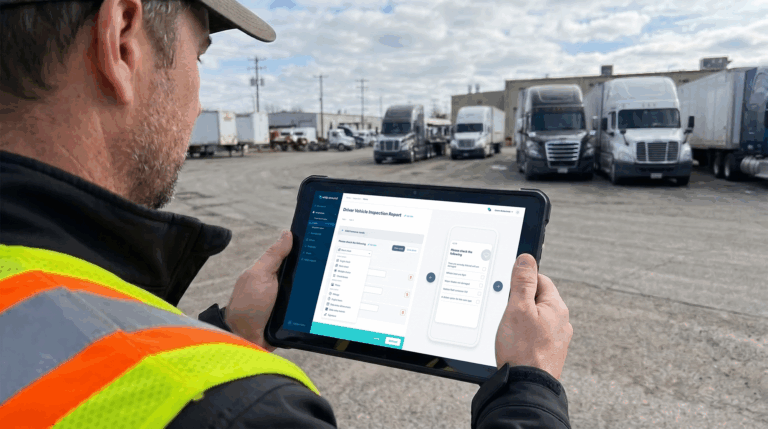
Smartphone‑based inspections eliminate paper delays and errors. Drivers and equipment operators can complete DOT‑compliant DVIRs anywhere, attach photos to flagged faults, and submit reports instantly. Cloud storage with GPS and time stamps ensures records are always accessible when audits or investigations arise.
Preventative Maintenance and Asset Visibility
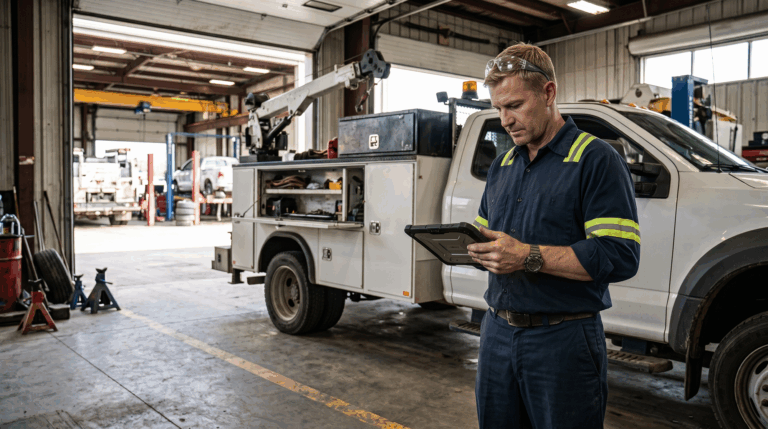
By linking inspection data with maintenance workflows, fleets can prioritize repairs and schedule service proactively. Integration with existing systems means vehicles and assets only need to be updated once, reducing administrative overhead and improving accuracy.

Real‑Time Reporting, Alerts, and Analytics
Leaderboards, alerts, and analytics give managers visibility into trends across all operations. From identifying recurring faults to monitoring inspection completion rates, data‑driven insights help teams make informed decisions that improve both safety and productivity.
Whip Around supports these capabilities through its oil and gas fleet management software, fleet compliance software and its broader platform for fleet safety, helping teams stay connected no matter how remote the job site.
Indicators to Measure Your Fleet Safety Along the Way
Continuous improvement depends on knowing what to measure. Key indicators that oil and gas safety managers should monitor include:
- Inspection completion and defect resolution rates
- Preventative maintenance compliance
- Vehicle and equipment downtime
- Safety incidents and near‑miss reports
- Driver and operator accountability metrics
Regularly reviewing these data points allows organizations to spot issues early, reinforce best practices, and adapt safety programs as operations evolve.
The Bottom Line
Oil and gas fleet safety is about protecting people, assets, and the continuity of operations in some of the most demanding environments in the world. By combining strong safety culture principles with modern fleet technology, organizations can reduce risk, maintain compliance, and operate more efficiently.
Many oil and gas companies deploy Whip Around in minutes, giving safety managers immediate visibility into inspections, maintenance, and compliance across all sites. When you’re ready to strengthen your fleet safety program and prevent costly downtime, book a demo and see how Whip Around can support your operations.