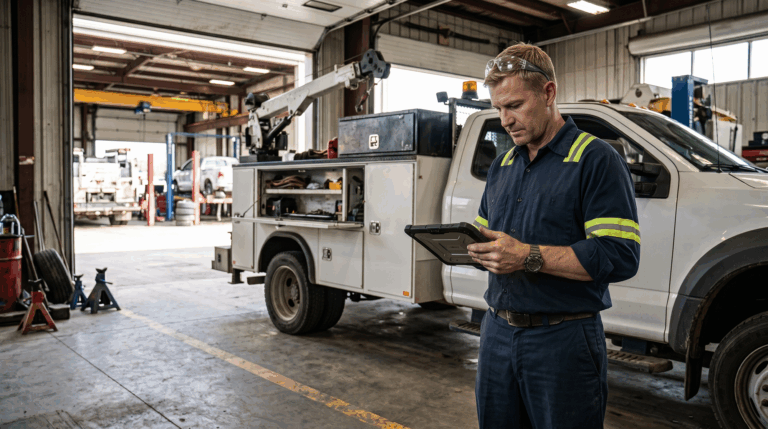
Landscaping equipment operates in some of the toughest conditions. From dust and debris to constant exposure to weather, these assets face daily wear that can quickly lead to breakdowns if not properly maintained.
For landscaping businesses, this creates a unique challenge. Equipment must stay reliable while meeting safety standards and compliance requirements, all without slowing down operations.
A preventative approach is essential. Instead of reacting to failures, teams that follow a structured maintenance checklist can reduce downtime, control costs and improve safety across every job site.
What Does Landscaping Equipment Maintenance Include?
Effective maintenance goes beyond basic repairs. It requires a comprehensive approach that covers safety, compliance and mechanical performance.
Safety
Safety is a top priority for landscaping crews working with heavy and potentially hazardous equipment.
Examples include:
- Personal protective equipment like gloves and helmets
- Guards on mowers and trimmers
- Secure storage and transport of tools
Why it matters:
Overlooking safety checks can lead to workplace injuries, equipment damage and liability risks. Regular inspections help ensure every crew member is protected.
Compliance
Landscaping fleets often need to meet DOT requirements and maintain accurate service records.
Examples include:
- Inspection logs and documentation
- Proof of maintenance and repairs
- Vehicle compliance checks
Why it matters:
Missing or incomplete records can result in fines, failed audits or operational delays. Using tools like an eDVIR app helps ensure inspections are properly documented and accessible.
Mechanical and Fluids
Mechanical components and fluid levels directly impact equipment performance and longevity.
Examples include:
- Engine oil and hydraulic fluids
- Tire pressure and condition
- Blade sharpness and alignment
Why it matters:
Ignoring these areas leads to reduced efficiency, higher fuel consumption and costly repairs. Routine checks keep equipment running smoothly and extend asset lifespan.
Landscaping Equipment Maintenance Checklist by Cadence
Organizing maintenance tasks by frequency helps teams stay consistent and avoid missed inspections.
Daily
Daily checks ensure equipment is safe and ready for use.
- Pre trip and post trip inspections
- Visual damage checks
- Fluid level checks
- Asset count to prevent loss
Daily inspections can be streamlined using digital tools like an eDVIR app to capture issues in real time.
Weekly
Weekly checks focus on deeper inspections that require more attention.
- Tire pressure and wear
- Battery condition
- Blade condition and sharpness
- Minor mechanical adjustments
These checks help catch small issues before they turn into major problems.
Seasonal or Post Seasonal
Seasonal maintenance prepares equipment for peak usage or storage.
- Equipment cleaning and storage prep
- Replacement of worn parts
- Budget planning for upcoming seasons
- Managing equipment demand during busy months
This is especially important during transitions from spring to fall when workload increases.
Regular Usage Based Maintenance
Some maintenance tasks should be triggered by usage rather than time.
- Oil changes based on engine hours
- Filter replacements
- Scheduled servicing based on mileage or usage
Using preventative fleet maintenance software makes it easier to track usage and automate service schedules.
Creating a Preventative Maintenance Schedule for Landscaping Equipment
A strong maintenance program is built on consistency, data and automation. Here are key best practices to follow.
Use Usage Based Thresholds
Instead of relying only on time intervals, track equipment usage to trigger maintenance tasks. This ensures assets are serviced exactly when needed.
Automate Reminders and Workflows
Manual tracking can lead to missed inspections. Automated reminders help ensure nothing falls through the cracks and keep teams accountable.
Centralize Inspections and Records
Keeping all maintenance data in one place improves visibility and simplifies compliance. Digital tools allow teams to access records instantly when needed.
Integrate Inventory Management
Tracking parts and equipment availability helps prevent delays. Knowing what is available and what needs replacement keeps operations running smoothly.
For landscaping businesses looking to modernize their operations, adopting fleet technology for landscaping can significantly improve efficiency and control.

How Dedicated Software Can Increase Your Uptime
While checklists are valuable, static processes can only go so far. Dedicated software brings these checklists to life with automation, real time data and actionable insights.
Custom Digital Forms
Replace paper checklists with customizable digital inspections tailored to your equipment and workflows.
Mandatory Photos and Documentation
Ensure issues are properly recorded with photo evidence, reducing miscommunication and improving accountability.
Barcode Scanning and Asset Tracking
Quickly identify and track equipment using barcode scanning to prevent loss and improve inventory management.
Work Order Workflows
Automatically generate and manage repair tasks, helping teams resolve issues faster and reduce downtime.
Reporting and ROI Tracking
Gain insights into maintenance performance, costs and trends to make better decisions and improve long term outcomes.
Landscaping companies using solutions like landscaping fleet management software are able to streamline operations and improve compliance across their teams.
For real world results, see how one company improved compliance in this landscaping fleet compliance case study.
You can also explore additional resources like these landscaping fleet checklists to strengthen your maintenance strategy.

Final Thoughts
A well structured landscaping equipment maintenance checklist helps teams stay safe, compliant and efficient while reducing costly downtime.
Book a demo today to see how Whip Around’s software can help you automate inspections, track maintenance and keep your landscaping fleet running at peak performance.