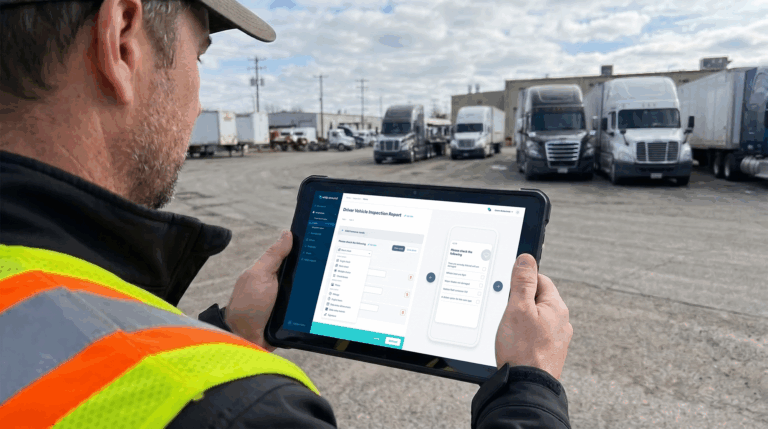
Fleet performance is about making smarter decisions using the right data. Tracking the right asset maintenance metrics can mean the difference between predictable operations and costly downtime. In this guide, we break down the most important maintenance KPIs every fleet manager should track and how they help improve reliability, reduce costs and boost overall efficiency.
What Are Asset Maintenance Metrics?
Asset maintenance metrics are measurable indicators that help you evaluate how effectively your fleet is being maintained. Unlike general fleet KPIs, these metrics focus specifically on equipment health, maintenance efficiency and operational reliability.
They typically fall into two categories:
- Leading indicators: Metrics that help predict future issues such as planned maintenance percentage
- Lagging indicators: Metrics that reflect past performance such as downtime or repair times
For industries with high-value assets like construction, these metrics are essential. They help teams stay ahead of failures, prioritize repairs and ensure compliance with safety regulations.
Why Asset Maintenance Metrics Matter More Than Ever
Maintenance costs are rising due to parts shortages and labor challenges. At the same time, unplanned downtime can cost between $400 and $700 per day per asset depending on the operation.
Without clear visibility into maintenance performance, these costs quickly spiral.
Tracking the right metrics allows you to:
- Reduce unexpected breakdowns
- Improve asset lifespan
- Increase operational efficiency
- Support compliance and safety standards
When paired with modern tools, teams can move from reactive fixes to proactive maintenance strategies. This is where using fleet data to reduce downtime becomes a major advantage.

8 Critical Asset Maintenance KPIs Every Fleet Manager Should Track
1. Mean Time Between Failures (MTBF)
What it tells you: Asset reliability and effectiveness of preventive maintenance programs
Formula: Total operational time ÷ Number of failures
A higher MTBF means your equipment is running longer without issues. This indicates strong maintenance practices and reliable assets.
With digital tools like Whip Around, failure tracking can be automated through work orders, giving you accurate data without manual effort.
2. Mean Time to Repair (MTTR)
What it tells you: Maintenance efficiency and parts availability
Formula: Total maintenance time ÷ Number of repairs
Lower MTTR means your team can diagnose and fix issues quickly. Higher MTTR may point to delays in parts, skill gaps or inefficient workflows.
Tracking this metric helps identify bottlenecks and improve repair processes.
3. Overall Equipment Effectiveness (OEE)
What it tells you: Overall productivity of your equipment
Formula: Availability × Performance × Quality
OEE gives a complete picture of how well your assets are performing. It combines uptime, output and quality into a single metric.
This makes it easier to spot inefficiencies and improve performance across your fleet.
4. Planned Maintenance Percentage (PMP)
What it tells you: Balance between proactive and reactive maintenance
Formula: (Planned maintenance hours ÷ Total maintenance hours) × 100
A higher PMP indicates a proactive maintenance strategy. This leads to fewer breakdowns and better cost control.
Shifting toward planned maintenance is one of the key benefits of fleet maintenance software.
5. Total Unplanned Downtime
What it tells you: Operational impact of unexpected failures
Formula: Total hours of unscheduled downtime
This metric highlights how often your fleet is unavailable due to breakdowns. It directly affects productivity and revenue.
Reducing unplanned downtime is critical for improving overall fleet performance and profitability.
6. Work Order Resolution Time
What it tells you: Efficiency of maintenance workflows
Formula: Total time from work order creation to completion ÷ Number of completed work orders
Shorter resolution times indicate streamlined processes and good communication. Longer times may reveal workflow issues or resource constraints.
Digital work orders make it easier to track and optimize this metric in real time.
7. Asset Utilization Rate
What it tells you: How effectively your equipment is being used
Formula: (Actual operating hours ÷ Available hours) × 100
Higher utilization means you are getting maximum value from your assets. Low utilization may signal overcapacity or poor scheduling.
Improving utilization is a key part of optimizing ROI across your fleet.
For more insights, explore these key fleet performance metrics.
8. Maintenance Backlog
What it tells you: Workload and resource balance
Formula: Outstanding work order hours ÷ Weekly maintenance capacity
A manageable backlog indicates your team is keeping up with demand. A growing backlog suggests understaffing or inefficient processes.
Monitoring backlog helps you allocate resources more effectively and avoid delays.

5 Ways Whip Around Simplifies Maintenance Metric Tracking
Tracking these metrics manually can be time-consuming and error-prone. Whip Around simplifies the process by centralizing your data and automating key workflows.
Here’s how:
- Automate inspection schedules and preventive maintenance alerts
- Track KPIs in real time with customizable dashboards
- Use digital work orders to measure MTTR and backlog
- Identify high-risk assets with detailed defect history
- Improve parts visibility with usage tracking
Companies already using digital inspections have seen major improvements. For example, see this case study: cutting unplanned maintenance by 34%.
Best Practices for Maintenance Metric Success
To get the most value from your metrics, follow these best practices:
- Start with 3 to 5 key metrics aligned with your business goals
- Ensure consistent and accurate data collection
- Review metrics regularly and take action on insights
- Train your team to understand and use the data effectively
Maintenance metrics are only valuable if they lead to better decisions.
Final Thoughts
Asset maintenance metrics give you the visibility needed to run a more efficient and reliable fleet. By focusing on the right KPIs, you can reduce downtime, control costs and extend the life of your equipment.
The key is not just tracking data but using it to drive smarter actions. With the right tools and processes in place, your fleet can move from reactive maintenance to a proactive and performance-driven operation. Book a demo today to see how Whip Around’s software can help you track maintenance metrics more effectively and keep your fleet running at peak performance.