Company Overview
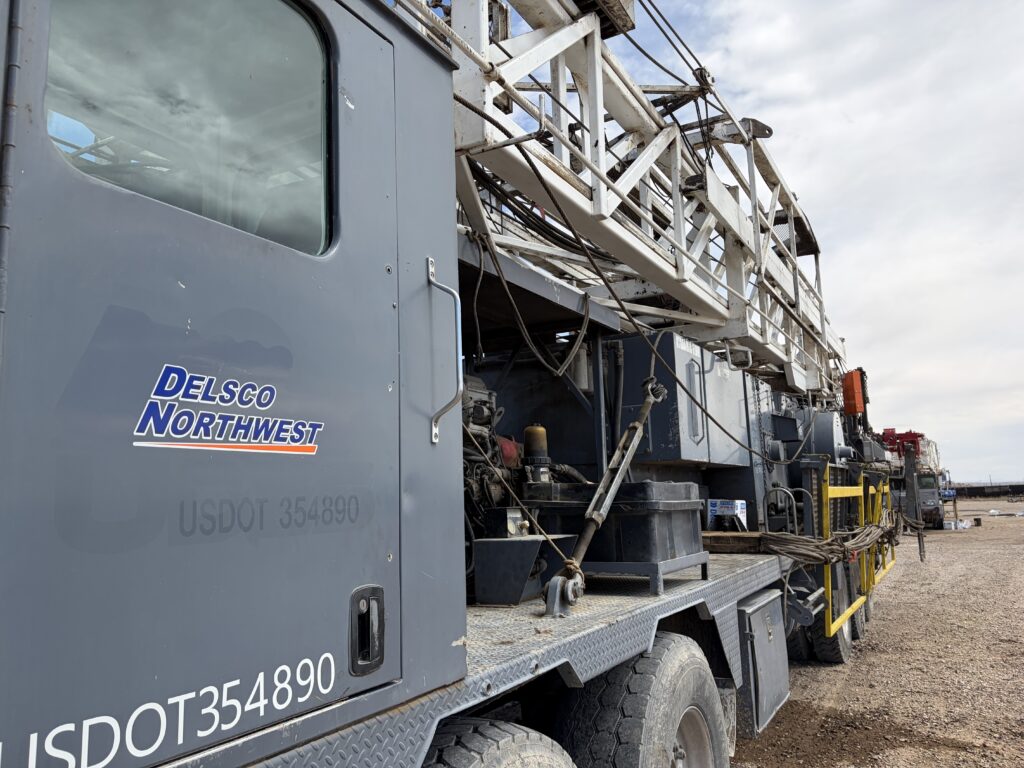
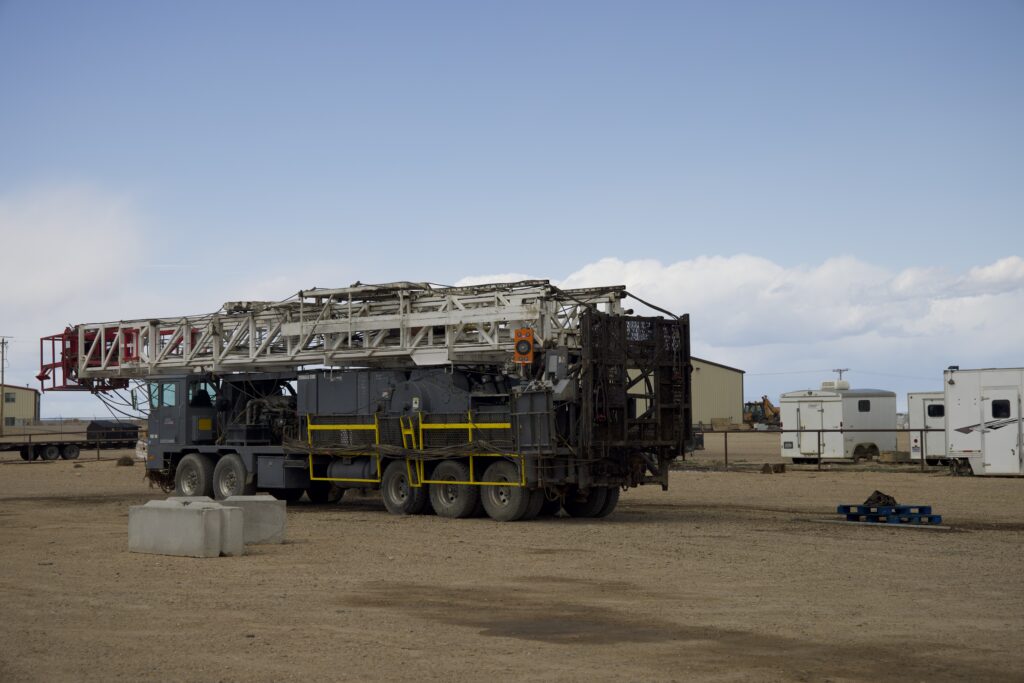
Founded in 1977, Delsco Northwest has grown from a single wireline operation into one of the region’s most diversified oil field service businesses. Headquartered in Utah and operating across Utah, Ohio, Texas, and Colorado, the company employs more than 350 people across 22 distinct lines of business — spanning wireline, workover rigs, production water haul, liquid gathering, flowback, and contract pumping.
With crews working in remote locations, often without cell service, and equipment ranging from workover rigs to telehandlers to specialized lifting gear, maintaining safe, compliant, and well-documented operations across every business line is a significant operational challenge — one that called for fleet management software built for oil and gas.
Before Whip Around: Paper Records and No Consistency Across 22 Business Lines
Before implementing Whip Around, Delsco relied entirely on paper-based processes to manage inspections and maintenance across both companies. The company’s signature 120-point “red book” rig inspection — covering safety equipment, mechanical systems, and structural components — was a paper checklist. Daily JSAs (Job Safety Analyses) were handwritten on location and physically filed. Certifications for critical lifting equipment like rod elevators, tubing elevators, chains, and cables lived in physical folders scattered across job sites and the main office.
The core problem was inconsistency. With 22 different business lines — some falling under DOT, others under OSHA — there was no standardized format for digital fleet inspections, no consistent frequency, and no centralized way for managers to see what was happening across the fleet. Maintenance requests came in verbally or on paper, and without visibility into the full picture, the team had no reliable way to prioritize what needed attention first.
As Monty Jensen, HSEQ Manager puts it: “We were kind of all over the place — all of our managers were kind of all over the place.”
Operational Impact
The consequences showed up in several ways. Critical maintenance items fell through the cracks. Minor repairs got handled quickly while major issues sat unresolved for months. Equipment certifications were difficult to locate when customers or regulators asked for them.
Audit preparation was especially painful. When OSHA or a customer requested inspection records, it meant days of scrambling to compile paper files into something presentable. And when fleets expanded into new states like Ohio, Texas, and Colorado, there was no scalable way to verify that inspections were being done correctly — or at all — from a distance.
The average time to correct a flagged defect was 114.25 days.
Why Whip Around?
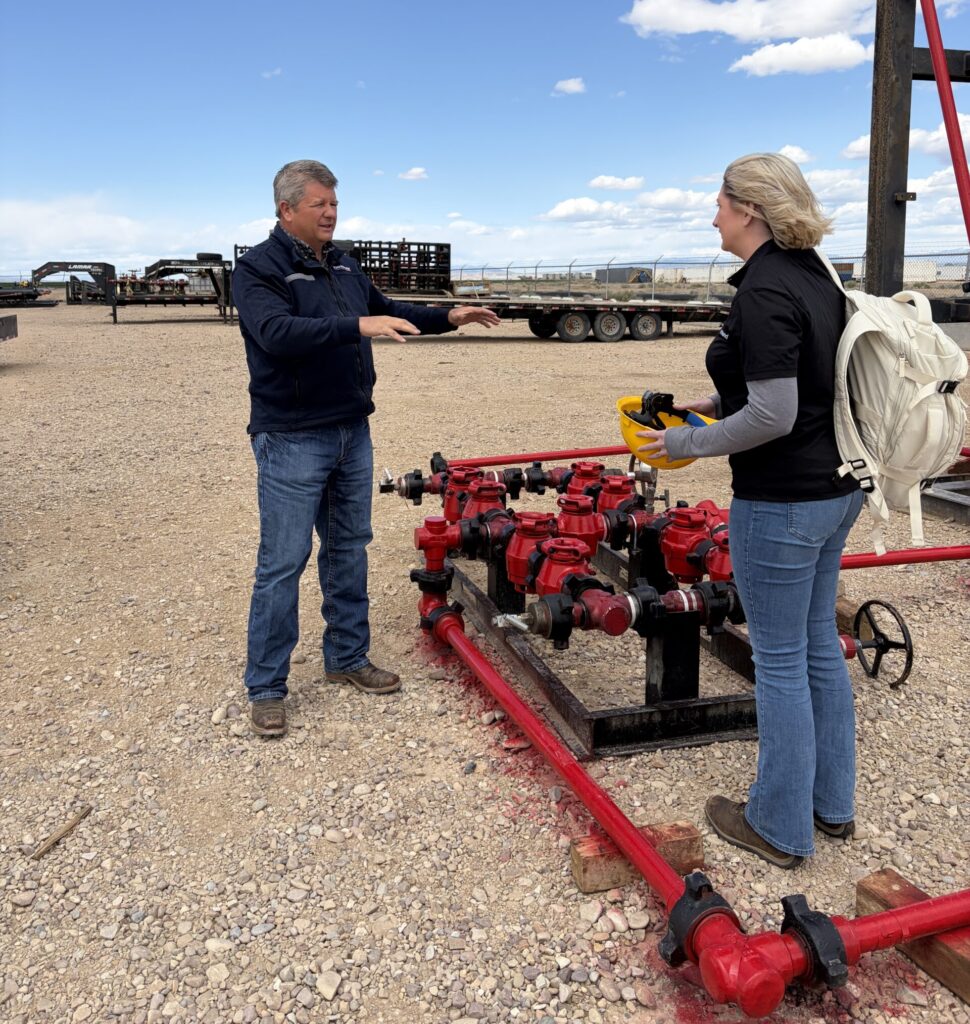
Delsco’s team came across Whip Around while researching digital inspection platforms. What stood out wasn’t just the features, it was the ease of use. With crews working 14-hour days in the field, often in areas without cell service, the platform had to be intuitive enough that operators would actually use it.
Whip Around also offered the flexibility Delsco needed. A DOT-only tool wouldn’t cover the full scope of what the company inspects. Whip Around’s customizable forms meant the team could build and modify inspection templates to match specialized oil field equipment — from workover rig brake systems to rod elevators — without starting from scratch every time. For an operation as complex as Delsco’s, that flexibility was the deciding factor.
Implementation & Adoption
Onboarding was straightforward. Managers walked crews through the platform in the field, and adoption came quickly — in part because the workforce skews younger and is comfortable with mobile tools, and in part because drivers recognized the benefit immediately.
“I honestly think a lot of them were like, ‘why’d it take you this long to do this?'” — Monty Jensen
Within three months, the team had fine-tuned their workflows, set up weekly maintenance review meetings driven by Whip Around data, and established a consistent cadence across all business lines.
Real-World Results
1. Dramatically Faster Defect Resolution
- Average days to correct a defect dropped from 114.25 to 29.26 — a 74% reduction
- Weekly Whip Around-driven maintenance reviews keep the team focused on what’s overdue
- Managers can now prioritize major issues instead of only handling what’s easiest, thanks to purpose-built fleet maintenance software
2. Stronger Driver Adoption and Accountability
- 40% increase in driver adoption
- Crews can check their own equipment status — remaining drill line service life, last red book date — directly in the app
- Managers can hold teams accountable with a clear record of what’s been done and what hasn’t
3. More Assets Consistently Inspected
- 32% increase in inspected assets
- Inspections standardized across all 22 business lines, regardless of whether they fall under DOT or OSHA
- Third-party customer equipment (like telehandlers on job sites) tied to the relevant rig and tracked alongside owned assets
4. Significant Reduction in Administrative Work
- At least 50% reduction in paperwork for the safety team
- JSAs, red book inspections, and lifting equipment certs all live in one searchable platform
- Audit requests that once required days of prep now take minutes
5. Instant Compliance Readiness
- When OSHA or customers request inspection records, Monty can pull them up and share in seconds
- Certifications for lifting equipment are uploaded and tied to specific assets, keeping the operation audit-ready at all times
- Photo requirements on critical inspection points — like workover rig brake systems — provide verifiable proof that inspections are actually being performed
A Platform That Grows With the Operation
One of the unexpected benefits of Whip Around has been its flexibility as a tool beyond traditional fleet inspections. Delsco has used it to digitize JSA records, track customer-owned equipment, manage lifting gear certifications, and build preventative maintenance templates for workover rigs with hundreds of grease points and fluid checks. When a customer shows up to an audit or throws a new documentation requirement at the team, the first question Monty’s team asks is whether Whip Around can handle it — and it can.
“I guess not having to recreate the wheel every time you turn around and somebody’s asking you for some other report that they need. Typically we can modify something and make it pretty fast.” — Monty Jensen
Looking Ahead
With Whip Around embedded across both companies, Delsco is now uploading training records and operator certifications into the platform — creating a single source of truth for both equipment and personnel compliance. The team is also exploring deeper use of asset-level document storage for driver profiles and permits using Whip Around’s Wallet feature.
The foundation is in place. For a business with 22 lines of service spanning four states, having one platform that keeps everything consistent, visible, and audit-ready isn’t just an operational convenience, it’s how Delsco stays ahead.
Ready to Transform Your Fleet Operations?
Join companies like Delsco Northwest in improving safety, compliance, and operational efficiency. See how other fleets use Whip Around — or schedule a demo to see it in action for yourself.