Oil and gas operations involve remote job sites, harsh terrain, high-value assets and strict compliance requirements, which make visibility and control critical.
That’s where oil and gas fleet telematics data becomes essential.
But not all data is equally useful. The real value comes from understanding which data points matter, how they impact operations and how to turn them into action.
In this guide, we’ll break down the most important telematics data for oil and gas fleets and how to use it to improve uptime, safety, fuel efficiency and overall performance.
What Is Oil and Gas Fleet Telematics Data?
Oil and gas fleet telematics data refers to information collected from vehicles, equipment and drivers using GPS tracking, onboard diagnostics (OBD/CAN systems) and connected sensors.
This data typically includes:
- Vehicle location and movement
- Engine performance and diagnostics
- Fuel usage and idle time
- Driver behavior and safety metrics
- Maintenance and compliance records
In oil and gas operations, telematics extends beyond standard fleet tracking. It often includes off-road equipment, remote assets and harsh-environment monitoring, making it a critical operational tool rather than just a tracking system.
Why Telematics Data Matters for Oil and Gas Operations
Unlike urban or last-mile fleets, oil and gas fleets operate in conditions where downtime is expensive and safety risks are higher.
Telematics data helps teams:
- Reduce unplanned downtime by identifying issues early
- Improve safety in hazardous environments
- Control fuel costs across long distances and idle-heavy operations
- Ensure compliance with regulatory and safety standards
- Maximize asset utilization across dispersed job sites
In short, telematics data transforms operations from reactive to proactive.
10 Oil and Gas Fleet Telematics Data Points That Matter Most
Below are the most valuable data points for oil and gas fleets, along with what they mean and how to use them.
1. Real-Time Location Data
What it is:
GPS tracking of vehicles and equipment in real time.
What it tells you:
Where assets are, how they’re moving and whether they’re on schedule.
Why it matters in oil and gas:
Operations often span remote, off-road sites where visibility is limited. Knowing exact locations reduces delays and improves coordination.
Action to take:
- Optimize dispatch and routing
- Improve response times to job sites
- Prevent asset loss or theft
2. Engine Hours and Utilization Data
What it is:
Data showing how long engines are running and how frequently assets are used.
What it tells you:
Whether equipment is being overused, underutilized or inefficiently scheduled.
Why it matters:
Oil and gas equipment is expensive and often shared across projects. Poor utilization leads to higher costs and unnecessary wear.
Action to take:
- Balance workloads across assets
- Identify underused equipment
- Schedule maintenance based on actual usage, not estimates
3. Fuel Consumption Data
What it is:
Tracking how much fuel each vehicle or asset consumes over time.
What it tells you:
Fuel efficiency trends, anomalies and potential waste.
Why it matters:
Fuel is one of the largest operating costs in oil and gas fleets, especially with long travel distances and heavy equipment.
Action to take:
- Identify inefficient vehicles or drivers
- Detect potential fuel theft
- Optimize routes and load planning
4. Idle Time Data
What it is:
Measurement of how long vehicles or equipment run without moving.
What it tells you:
Where fuel is being wasted and productivity is lost.
Why it matters:
Idle time is especially high in oil and gas due to job site conditions, but excessive idling drives up fuel costs and engine wear.
Action to take:
- Set idle thresholds and alerts
- Coach drivers to reduce unnecessary idling
- Adjust workflows to minimize wait times
5. Engine Diagnostics and Fault Codes
What it is:
Data from onboard diagnostics systems, including fault codes and performance metrics.
What it tells you:
Early warning signs of mechanical issues.
Why it matters:
Breakdowns in remote locations are costly and dangerous. Early detection prevents catastrophic failures.
Action to take:
- Schedule repairs before breakdowns occur
- Prioritize high-risk issues
- Reduce roadside failures and downtime
6. Preventive Maintenance Trigger Data
What it is:
Automated triggers based on mileage, engine hours, or condition-based thresholds.
What it tells you:
When maintenance should occur.
Why it matters:
Reactive maintenance leads to downtime and higher repair costs. Preventive maintenance keeps fleets running smoothly.
Action to take:
- Automate maintenance schedules
- Reduce missed service intervals
- Improve asset lifespan
If you’re evaluating how maintenance integrates with telematics, check out this guide on fleet maintenance and telematics software.
7. Driver Behavior Data
What it is:
Metrics such as speeding, harsh braking, rapid acceleration, and cornering.
What it tells you:
How safely and efficiently drivers are operating vehicles.
Why it matters:
Oil and gas environments are high-risk. Unsafe driving increases accident risk, liability and equipment damage.
Action to take:
- Implement driver coaching programs
- Reduce incidents and insurance costs
- Improve overall safety culture
8. Geofencing and Site Entry/Exit Data
What it is:
Virtual boundaries set around job sites or restricted areas.
What it tells you:
When assets enter or leave designated zones.
Why it matters:
Oil and gas sites often require strict access control and timing coordination.
Action to take:
- Track job site activity automatically
- Improve billing accuracy and reporting
- Enhance security and theft prevention
9. Compliance and Duty Status Data
What it is:
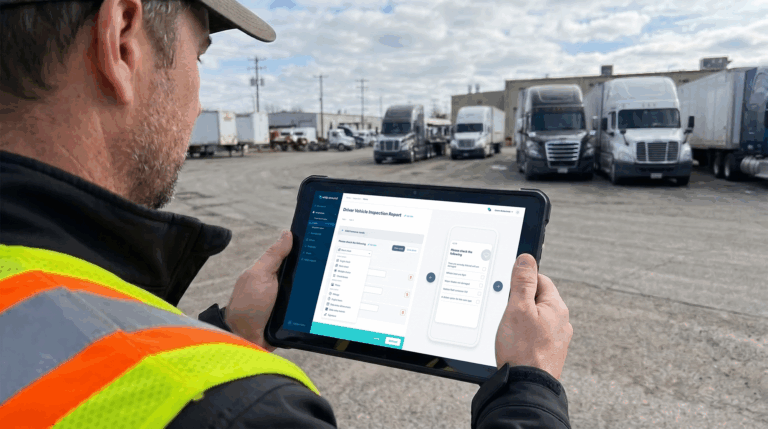
Driver logs, inspection records, and regulatory compliance data (e.g., HOS, DVIR).
What it tells you:
Whether operations meet safety and regulatory requirements.
Why it matters:
Non-compliance can lead to fines, shutdowns and safety risks.
Action to take:
- Automate compliance reporting
- Reduce manual paperwork
- Ensure audit readiness
10. Incident and Safety Event Data
What it is:
Data from sensors or cameras capturing accidents, near misses or unsafe conditions.
What it tells you:
Where and why incidents occur.
Why it matters:
Safety is a top priority in oil and gas. Understanding incidents helps prevent future ones.
Action to take:
- Investigate root causes of incidents
- Improve training and policies
- Reduce repeat safety issues
How To Turn Oil and Gas Telematics Data Into Action
Collecting data is only the first step. The real value comes from turning it into decisions.
Here’s how leading fleets do it:
1. Centralize Your Data
Disconnected systems create blind spots. A unified platform helps teams see the full picture.
Learn more about how unified systems improve data fleet management.
2. Focus on the Metrics That Matter
Avoid data overload. Prioritize:
- Fuel efficiency
- Uptime and maintenance
- Safety performance
- Asset utilization
3. Automate Alerts and Workflows
Set up alerts for:
- Fault codes
- Excessive idle time
- Geofence violations
- Maintenance triggers
Automation ensures issues are addressed immediately, not after the fact.
4. Use Data for Continuous Improvement
Telematics isn’t just for monitoring, it’s for optimizing.
- Track trends over time
- Benchmark performance across teams
- Adjust policies and processes based on insights
This is the foundation of data-driven fleet management.
5. Leverage AI and Predictive Insights
Modern telematics platforms are increasingly using AI to:
- Predict failures before they happen
- Identify risky driver behavior patterns
- Optimize scheduling and dispatch
Explore how this is evolving with AI in fleet management.
Better Telematics Data Helps Oil and Gas Fleets Run Smarter
Oil and gas fleet telematics data is more than just tracking—it’s a decision-making tool.
When used effectively, it helps fleets:
- Reduce downtime and maintenance costs
- Improve safety and compliance
- Control fuel usage and prevent waste
- Maximize asset utilization
- Operate more efficiently in challenging environments
The key is not just collecting data but understanding it, prioritizing it and acting on it.
FAQs About Oil and Gas Fleet Telematics Data
What is the difference between fleet tracking and fleet telematics?
Fleet tracking focuses primarily on location data (GPS), while telematics includes a broader set of data such as engine diagnostics, driver behavior, fuel usage and maintenance insights.
Telematics provides a more complete view of fleet performance.
Can telematics data help reduce fuel theft in oil and gas fleets?
Yes. Telematics can identify sudden drops in fuel levels, unusual consumption patterns, or discrepancies between expected and actual usage—helping detect and prevent fuel theft.
Does oil and gas telematics work for off-road vehicles and equipment?
Yes. Many telematics systems are designed for rugged, off-road environments and can track equipment like generators, pumps, and heavy machinery—even in remote areas with limited connectivity.
How often should oil and gas fleet telematics data be reviewed?
- Real-time: For safety alerts and critical issues
- Daily: For operational performance and dispatch
- Weekly/monthly: For trends, reporting and optimization
The most effective fleets combine real-time monitoring with long-term analysis.
By focusing on the right data, and turning it into action, oil and gas fleets can operate safer, smarter and more efficiently in even the most challenging conditions.