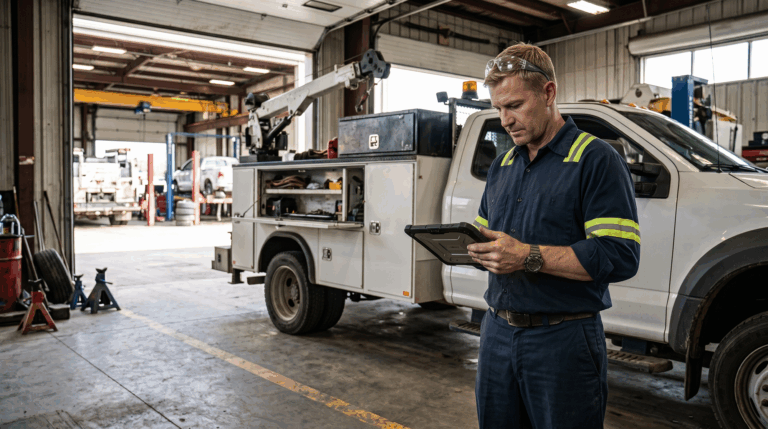
Managing waste, especially hazardous or potentially dangerous materials, comes with serious risks. From chemical exposure to vehicle-related accidents, waste collection workers face a wide range of hazards every day. That’s why the Occupational Safety and Health Administration (OSHA) has established clear safety requirements to protect workers and ensure employers maintain compliant operations.
We’ll break down OSHA waste disposal guidelines, key regulations, and practical safety measures for waste collection teams—covering PPE, lifting practices, and vehicle hazards—so you can build a safer, more compliant operation.
Why OSHA Safety Requirements Matter for Waste Collection Workers
Waste collection isn’t just about disposal, it’s about handling materials that may be toxic, infectious, flammable, or physically dangerous. OSHA requires employers to identify, manage, and dispose of hazardous materials safely to protect workers and the environment.
Without proper controls, workers face risks such as:
- Chemical exposure
- Cuts and puncture wounds from sharps
- Musculoskeletal injuries from lifting
- Vehicle-related accidents
- Exposure to biohazards
OSHA compliance helps reduce these risks while also protecting your business from fines, legal liability, and operational disruptions.
Key OSHA Regulations That Apply to Waste Collection Work
Before diving into safety practices, it’s important to understand the core OSHA standards that govern waste management operations.
HAZWOPER (29 CFR 1910.120)
The Hazardous Waste Operations and Emergency Response (HAZWOPER) standard outlines requirements for handling, transporting, and disposing of hazardous waste. It includes worker training, site control, and emergency response procedures.
Hazard Communication (29 CFR 1910.1200)
Employers must ensure all hazardous materials are:
- Clearly labeled
- Accompanied by Safety Data Sheets (SDS)
- Communicated effectively to employees
Bloodborne Pathogens (29 CFR 1910.1030)
This standard applies when workers may come into contact with infectious materials. It requires proper containment, labeling, and protective measures.
Personal Protective Equipment (29 CFR 1910.132)
Employers are responsible for:
- Providing appropriate PPE
- Training workers on its use
- Ensuring proper maintenance
Walking-Working Surfaces (29 CFR 1910 Subpart D)
Covers slip, trip, and fall hazards, common in waste collection environments.
Construction Standard (29 CFR 1926.252)
Applies to waste disposal on job sites, including safe handling and removal procedures.
Core OSHA Safety Requirements for Waste Collection Workers
This is where compliance turns into action. Below are the essential safety requirements OSHA expects employers to implement.
Hazard-Based PPE Selection for Waste Collection Tasks
Not all waste is created equal—so PPE shouldn’t be either.
Employers must assess hazards and provide PPE based on the type of waste being handled. This may include:
- Gloves (cut-resistant, chemical-resistant)
- Safety goggles or face shields
- Respirators
- Steel-toe boots
- Protective coveralls
For example:
- Chemical waste requires splash protection and respirators
- Medical waste requires puncture-resistant gloves and biohazard protection
- Construction debris requires impact-resistant gear
High-Visibility and Roadside Protection Requirements
Waste collection often happens roadside, where visibility is critical.
OSHA and DOT guidelines require:
- High-visibility clothing (ANSI-compliant vests or jackets)
- Reflective materials for night work
- Proper traffic control measures
Workers should always be visible to drivers, especially when working near moving vehicles or operating collection trucks.
Employer Responsibilities for PPE Provision and Training
Providing PPE isn’t enough—employees must know how to use it correctly.
Employers must:
- Train workers on proper PPE usage
- Ensure correct fit and condition
- Replace damaged or worn equipment
- Enforce PPE usage policies
Documentation of training and inspections is also essential for compliance.
Safe Lifting Techniques to Prevent Strain Injuries
Manual handling is one of the leading causes of injury in waste collection.
OSHA recommends:
- Lifting with legs, not the back
- Keeping loads close to the body
- Avoiding twisting motions
- Asking for help with heavy loads
Reducing Manual Handling Through Equipment and Workflow
Whenever possible, reduce the need for manual lifting.
Best practices include:
- Using mechanical aids (carts, lifts, compactors)
- Designing efficient workflows
- Automating collection processes
- Limiting repetitive strain tasks
Vehicle Hazard Controls and Safe Movement Around Trucks
Waste collection vehicles are a major source of workplace incidents.
OSHA recommends:
- Backup alarms and cameras
- Clearly defined safe zones
- Spotters when reversing
- Regular vehicle inspections
- Proper mounting/dismounting procedures
Daily inspections are critical to ensure vehicles are safe before use. Using a digital daily equipment inspection checklist can help standardize this process and ensure nothing is missed.
Waste Management Best Practices and Procedures
Beyond PPE and lifting, OSHA emphasizes proper waste handling procedures.
Segregation and Storage
Waste should be separated at the point of generation to prevent contamination and reduce risk.
Proper Labeling
All containers must clearly identify:
- Contents
- Hazards
- Handling instructions
Safe Disposal Methods
Different waste types require different treatments:
- Chemical neutralization
- Incineration
- Specialized disposal services
Decontamination
Work areas and equipment must be regularly cleaned to prevent exposure risks.
Essential Safety Protocols for Waste Handling
According to OSHA guidance, employers must implement consistent safety protocols, including:
- Employee Training: Workers handling hazardous waste must receive specialized training
- Safe Handling Tools: Use appropriate tools to avoid direct contact
- Medical Waste Controls: Use leak-proof, labeled containers for infectious materials
These protocols form the foundation of a compliant waste management program.
Common OSHA Violations in Waste Collection Operations
Even well-intentioned operations can fall short. Here are some of the most common OSHA violations:
- Failure to provide proper PPE
- Inadequate hazard communication or labeling
- Lack of employee training
- Improper waste storage or segregation
- Poor documentation of inspections and safety processes
- Unsafe vehicle operation practices
These violations not only increase risk but can also lead to significant fines and legal consequences.
Build a Safer and More Compliant Waste Collection Operation
Meeting OSHA waste disposal guidelines isn’t just about avoiding penalties—it’s about protecting your people and running a more efficient operation.
The most successful organizations take a proactive approach by:
- Standardizing safety procedures
- Digitizing inspections and maintenance records
- Tracking issues in real time
- Keeping documentation audit-ready
Modern fleet management solutions make it easier to manage all of this in one place—helping teams prove compliance, reduce risk, and improve operational visibility.
For a deeper dive into improving safety across your fleet, check out this fleet safety strategy resource.
Final Thoughts
Waste collection work comes with inherent risks—but with the right systems, training, and tools in place, those risks can be significantly reduced.
By understanding OSHA regulations and implementing best practices around PPE, lifting, vehicle safety, and waste handling, you can create a safer workplace while staying fully compliant.
And with the right digital tools, maintaining that compliance becomes far more manageable—giving you real-time visibility into inspections, maintenance, and safety processes across your operation.
If you’re ready to simplify compliance and improve safety across your fleet, book a demo to see how digital inspections, maintenance tracking, and reporting through Whip Around can help you stay audit-ready and protect your team.