Fleet Inspections Uncovered: The Most Common Maintenance Issues
Fleet maintenance is not just about keeping vehicles running – it’s about safety, compliance, and cost control. After analyzing data from 50 million fleet inspections, we identified the top 10 maintenance issues that fleets face most frequently. These insights highlight common problem areas and reinforce the importance of a proactive maintenance approach to reduce downtime and keep vehicles road-ready.
1. Engine Issues
Engine problems are the most frequently reported defect, appearing in 23% of all fleet inspections. These include faulty sensors, fuel system failures, and overheating issues, all of which can lead to costly repairs and extended downtime.
How to Prevent It:
- Implement routine engine diagnostics and performance checks.
- Monitor oil levels and change filters regularly.
- Use digital maintenance tracking to stay ahead of scheduled services.
2. Tires & Tire Pressure Issues
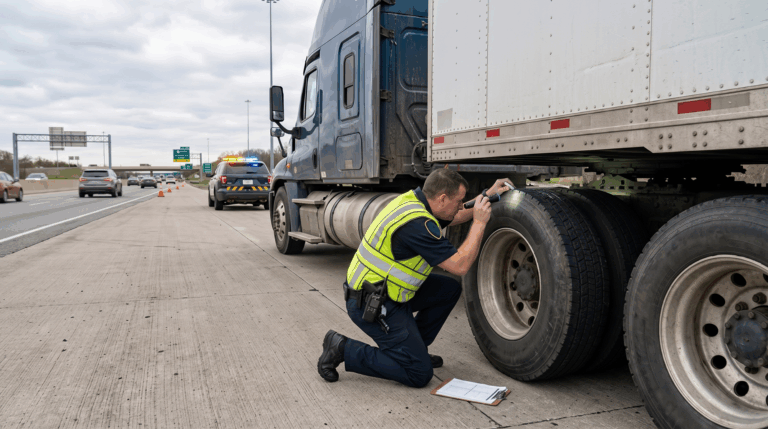
Tire-related problems, including underinflation, uneven wear, and tread separation, were flagged in 18% of all fleet inspections. These issues contribute to increased fuel consumption, safety risks, and costly replacements. Additionally, tire pressure controller issues can lead to irregular tire wear and poor vehicle handling.
How to Prevent It:
- Conduct daily tire pressure checks and tread inspections.
- Install tire pressure monitoring systems (TPMS) for real-time tracking.
- Rotate tires and align wheels to extend tire lifespan.
3. Miscellaneous Mechanical Issues
Miscellaneous mechanical issues, such as transmission failures, electrical malfunctions, and exhaust system problems, were reported in 16% of all fleet inspections.
How to Prevent It:
- Use digital inspections to capture all reported defects.
- Ensure a thorough inspection checklist covers all mechanical components.
- Assign defects to mechanics for immediate resolution.
4. Headlights
Headlight-related issues were found in 9% of all fleet inspections, including burnt-out bulbs, misaligned beams, and wiring failures, all of which can compromise visibility and safety.
How to Prevent It:
- Include lighting system checks in every pre-trip inspection.
- Keep spare bulbs and fuses on hand for quick replacements.
- Use fleet management software to log and track lighting defects.
5. Belts and Hoses
Failures in belts and hoses were found in 7% of all fleet inspections, with common issues including cracked belts, leaking coolant hoses, and frayed serpentine belts, which can lead to sudden vehicle breakdowns.
How to Prevent It:
- Check belts and hoses during every routine inspection.
- Replace aging components before they fail.
- Use preventative fleet maintenance software to track replacement intervals.
6. Body Controller – Manufacturer Assignable SPN
Electronic body controller issues appeared in 4% of all fleet inspections, often leading to vehicle performance and safety concerns due to electrical system malfunctions.
How to Prevent It:
- Ensure software updates and diagnostic scans are performed regularly.
- Address any warning lights immediately before they escalate.
- Train mechanics on troubleshooting common electronic faults.
7. Emission Issues
Emission-related issues were identified in 4% of all fleet inspections, primarily involving NOx sensor failures and exhaust system malfunctions that impact fuel efficiency and environmental compliance. These issues can lead to non-compliance with environmental regulations, reduced fuel efficiency, and increased vehicle emissions.
How to Prevent It:
- Conduct regular emissions testing to detect faulty NOx sensors.
- Replace defective sensors and ensure catalytic converters are functioning properly.
- Keep up with software updates to maintain optimal emissions control.
8. Fluid Leaks
Fleet teams found fluid leaks in 4% of all inspections, including leaks from fuel, coolant, or transmission systems. These leaks can cause mechanical failures, pose safety risks, and increase operating costs.
How to Prevent It:
- Conduct regular undercarriage and engine bay inspections.
- Address small leaks before they become major repairs.
- Use leak detection dye to identify slow fluid loss areas.
9. Tail Lights
Tail light failures were reported in 3% of all fleet inspections, posing compliance risks and increasing the likelihood of roadside violations and accidents.
How to Prevent It:
- Include lighting checks in pre- and post-trip inspections.
- Use high-quality, durable LED tail lights where possible.
- Keep replacement bulbs and fuses readily available for quick fixes.
10. Low Priority Warning Light On
Fleet teams recorded low-priority warning lights in 2% of all inspections. These lights often signal underlying mechanical or electrical issues that can escalate into major maintenance problems if ignored.
How to Prevent It:
- Train drivers to report any dashboard warning lights immediately.
- Conduct thorough diagnostics when warning lights appear.
- Use fleet management software to track and address warning lights before they escalate.
How Whip Around Helps Fleets Stay Ahead of Maintenance Issues
Whip Around helps fleets resolve issues fast, making preventive maintenance more effective.
- Over 65% of reported issues logged in Whip Around are resolved within 24 hours, minimizing downtime for fleet operations.
- Immediate defect alerts allow managers to assign work orders to mechanics and track progress in real-time.
- Automated maintenance tracking ensures recurring issues don’t go unnoticed.
- Digital inspections make it easy for drivers to report issues and attach photos, providing mechanics with better visibility on needed repairs.
Want to improve your fleet maintenance strategy? Schedule a demo with Whip Around to see how digital fleet management solutions can help optimize your operations.