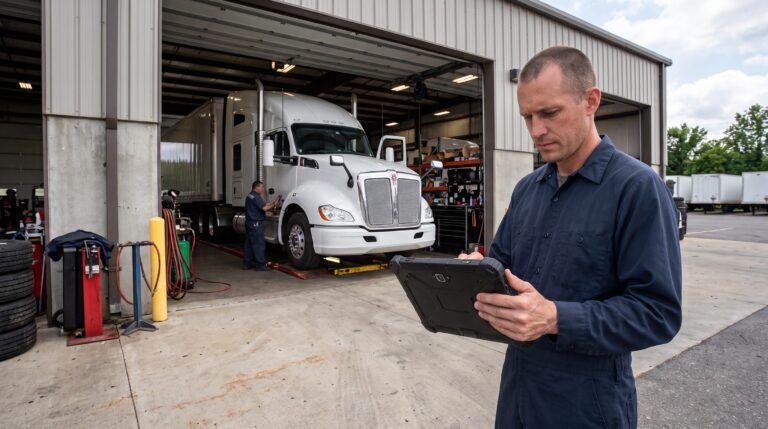
Waste and recycling fleets operate under some of the toughest conditions in the transportation industry. Garbage trucks run frequent stop-and-go routes, lift heavy loads multiple times per shift and operate around corrosive materials and harsh environments. These factors create unique maintenance challenges that require structured processes and specialized tools.
Fleet maintenance for waste trucks is not just about fixing breakdowns, it’s about preventing them. With a proactive maintenance strategy, fleet managers can increase vehicle uptime, extend equipment lifespan, improve driver safety and stay compliant with Department of Transportation (DOT) regulations.
In this guide, we’ll explore what makes waste truck maintenance unique, outline a preventative maintenance strategy and highlight the tools that can help waste management fleets operate more efficiently.
What Makes Fleet Maintenance for Waste Trucks Unique
Waste trucks differ significantly from standard commercial vehicles. Their specialized components and demanding operating conditions mean that traditional maintenance practices often need adjustment.
Several factors make fleet maintenance for waste trucks more complex:
Heavy Hydraulic Systems
Garbage trucks rely heavily on hydraulic systems to power lifting arms, compactors and packer blades. These systems operate under high pressure and frequent use, making hoses, pumps, cylinders and seals particularly vulnerable to wear and leaks.
If hydraulic components fail, trucks can quickly become inoperable. Regular inspections and fluid monitoring are critical to preventing unexpected downtime.
Constant Stop-and-Go Operations
Unlike long-haul trucks, waste collection vehicles stop hundreds of times during a single route. This repetitive motion puts extra strain on:
- Braking systems
- Transmissions
- Clutches and driveline components
Brake wear, in particular, can accelerate quickly in this environment, making routine inspections essential.
Exposure to Corrosive Materials
Waste trucks often come into contact with liquids, chemicals and organic waste that can cause rust and corrosion. Over time, this exposure can weaken the truck body, chassis and mechanical components.
Proper cleaning routines and inspections help prevent structural damage and extend vehicle life.
Compaction and Lift Mechanisms
The mechanical systems that compress waste and lift containers experience constant heavy-duty use. Components such as packer blades, rollers and lifting arms must be lubricated and checked frequently to prevent failure.
Because these systems are unique to the industry, fleet managers must account for them when creating maintenance schedules.
Creating a Preventative Maintenance Strategy for Waste Trucks
Preventative maintenance (PM) is the most effective way to manage the demands of waste truck operations. Rather than reacting to breakdowns, a PM strategy focuses on scheduled inspections and servicing before issues escalate.
This approach offers several benefits:
- Reduced vehicle downtime
- Improved driver safety
- Longer equipment lifespan
- Lower repair costs
- Better compliance with inspection regulations
Using digital tools such as preventative maintenance software can help fleet managers automate schedules, track maintenance records and ensure inspections happen consistently.
A successful preventative maintenance program typically includes detailed inspection checklists, clear maintenance schedules and reliable recordkeeping systems.

Waste Truck Maintenance Items to Monitor Closely
Waste trucks contain several critical components that require routine monitoring. Many fleet managers organize these inspections using a waste truck inspection checklist to ensure nothing is overlooked.
Key areas to monitor include:
Hydraulic Systems
- Check fluid levels regularly
- Inspect hoses for cracks, leaks or wear
- Test pump pressure and system performance
- Examine hydraulic cylinders for damage
Brakes and Tires
- Inspect brake pads and rotors
- Check brake fluid levels
- Monitor tire pressure and tread depth
- Look for uneven wear patterns
Engine and Vehicle Fluids
- Engine oil
- Coolant levels
- Transmission fluid
- Diesel exhaust fluid (DEF)
Fluid contamination or low levels can quickly lead to mechanical failures.
Compaction and Lift Mechanisms
- Packer blades
- Rollers and guide rails
- Lift arms and pivot points
- Grease fittings
These components require frequent lubrication and inspection due to constant mechanical stress.
Body and Chassis
- Rust or corrosion from waste exposure
- Frame integrity
- Mounting brackets and structural components
Regular washing and inspections help reduce corrosion damage.
Preventative Maintenance Schedule for Garbage Trucks
Establishing a consistent inspection cadence ensures maintenance tasks happen before problems arise. While schedules may vary depending on fleet size and usage, most waste fleets follow a structure similar to the one below.
Daily Inspections
Drivers should complete pre-trip and post-trip inspections that include:
- Fluid level checks
- Tire pressure and condition
- Lights and signals
- Wipers and horns
- Visible damage to body or packer blades
These inspections are often documented using digital DVIR tools or waste truck pre trip inspections checklists.
Weekly Checks
Maintenance teams should inspect:
- Battery terminals and connections
- Lubrication points
- Hydraulic hoses and fittings
- Belts and filters
Weekly checks help identify minor issues before they escalate.
Monthly Maintenance
More detailed servicing typically includes:
- Engine oil and filter changes
- Brake inspections
- Hydraulic pressure testing
- Tire rotations or replacements if necessary
Quarterly Maintenance
Larger maintenance tasks may include:
- Transmission fluid replacement
- Suspension inspections
- Full hydraulic system diagnostics
- Structural inspections
These routine checks also support DOT compliance by ensuring vehicles remain roadworthy and safe.
Tricks to Maintain Waste Trucks Efficiently
Even with a maintenance schedule in place, some fleets struggle with inefficiencies that lead to downtime and higher costs. The following best practices can help streamline maintenance operations.
Digitize Inspection and Maintenance Records
Paper inspection forms are easy to lose and difficult to track. Digital systems provide centralized maintenance records and automated alerts for upcoming service.
Train Drivers on Proper Inspections
Drivers are the first line of defense against mechanical problems. Proper training ensures inspections are completed accurately and consistently.
Use Standardized Checklists
Consistent inspection procedures reduce the risk of missed issues and improve compliance. Standard checklists help technicians and drivers follow the same process every time.
Track Defects and Repairs
Documenting reported defects ensures issues are addressed quickly and helps maintenance teams identify recurring problems.
Analyze Maintenance Data
Reviewing maintenance history helps fleets identify trends, such as components that fail frequently or vehicles that require more servicing than others.
These insights can help reduce costs and improve long-term fleet performance. For example, analyzing repair patterns can reveal opportunities to reduce waste fleet costs through better maintenance planning.

Fleet Maintenance Tools to Increase Waste Truck Uptime
Technology plays a crucial role in modern fleet maintenance. Digital platforms can automate many of the processes that waste fleet managers previously handled manually.
Solutions like fleet software for waste management help streamline inspections, maintenance scheduling and compliance reporting.
Key features that improve fleet maintenance operations include:
Preventative Maintenance Scheduling
Automated service reminders ensure trucks are maintained on time, reducing the likelihood of unexpected breakdowns.
Digital DVIRs and DOT Compliance
Mobile driver vehicle inspection reports allow drivers to submit inspections instantly while helping fleets maintain regulatory compliance.
Custom Forms and Inspection Checklists
Fleet managers can create digital inspection templates tailored specifically to waste truck components.
Work Orders and Defect Tracking
Automated defect reporting allows maintenance teams to quickly generate work orders and track repairs.
Parts and Inventory Management
Tracking parts usage helps prevent delays caused by missing components and ensures maintenance teams always have necessary supplies on hand.
Fleet managers also benefit from understanding the different vehicle models used in the industry. Learning about various garbage truck manufacturers can help fleets select vehicles that align with their maintenance capabilities and operational needs.
Keep Waste Trucks Running with Smarter Maintenance
Waste and recycling fleets depend on reliable vehicles to maintain service schedules and keep communities clean. Because garbage trucks operate under extreme conditions, they require specialized maintenance strategies and consistent inspections.
By implementing a preventative maintenance program, tracking inspections digitally and using modern fleet management tools, fleet managers can significantly reduce downtime and extend vehicle lifespan.
If you want to simplify inspections, automate maintenance schedules and keep your fleet compliant, consider exploring Whip Around’s platform. Book a demo to see how digital fleet maintenance tools can help keep your waste trucks on the road.