Managing a truck fleet is more complex than ever. Fleet managers are expected to track maintenance schedules, ensure compliance, monitor asset health and control inventory, all while keeping operations efficient and costs under control. Without a clear strategy, these moving parts can quickly lead to downtime, missed inspections and unnecessary expenses.
A strong truck fleet asset management strategy helps bring structure to this complexity. It ensures every asset is properly maintained, utilized and replaced at the right time. When done right, it leads to better performance, improved safety and stronger ROI across your fleet.
The Pillars of Effective Fleet Asset Management
Having a Clear Efficiency Plan
Every successful fleet starts with a well defined plan. This includes setting goals for performance, outlining budgets and establishing growth targets. A clear plan helps guide decisions around asset acquisition, maintenance schedules and operational priorities.
Without this foundation, it becomes difficult to measure success or identify areas for improvement.
Getting Full Visibility Over Asset Health
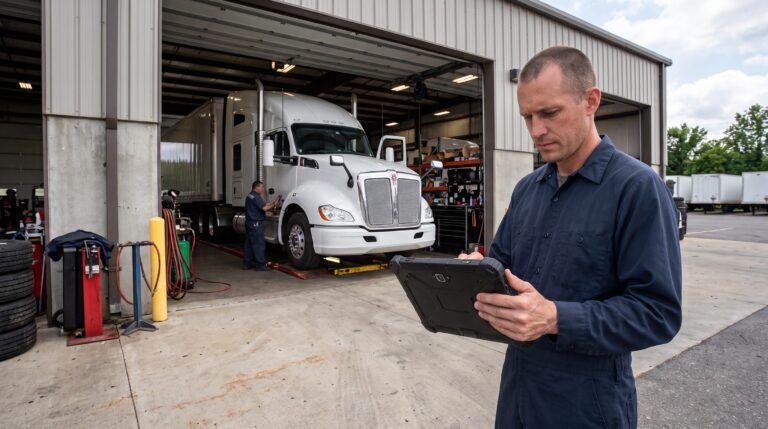
Fleet managers need a complete view of asset conditions at all times. This includes tracking inspections, maintenance history and performance data.
Regular inspections play a critical role here. Knowing the key items to review in your truck maintenance ensures that issues are caught early and addressed before they lead to breakdowns or compliance risks.
Full visibility allows teams to make informed decisions and maintain consistent performance across all assets.
Keeping Track of Assets at Any Time
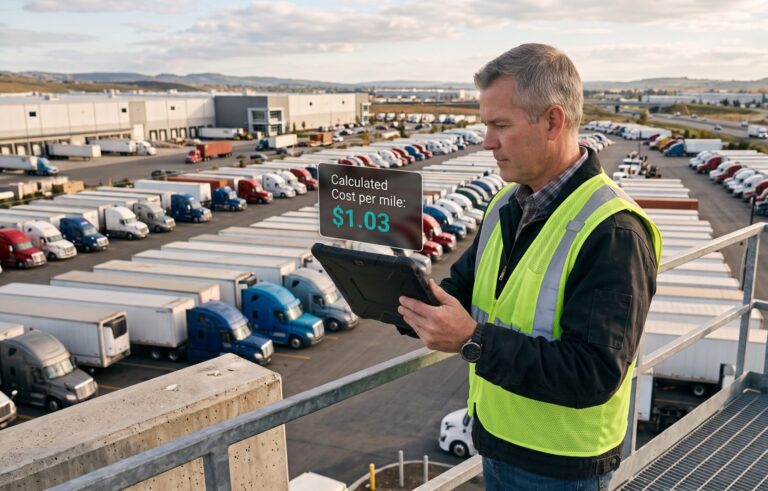
Real time tracking is essential for understanding how assets are being used. This includes monitoring routes, fuel usage and overall utilization.
Having access to this data helps identify inefficiencies, reduce fuel costs and improve operational planning. It also ensures that no asset goes underutilized or unaccounted for.
Detecting Risks Before They Happen
Preventative maintenance is one of the most important aspects of fleet asset management. Instead of reacting to breakdowns, fleets should focus on identifying risks early through routine inspections and scheduled servicing.
By addressing small issues before they escalate, fleets can reduce downtime, improve safety and extend the lifespan of their equipment.
Knowing When to Replace Assets
Every asset has a lifecycle. Holding onto equipment for too long can lead to rising maintenance costs and reduced reliability.
Fleet managers need to evaluate performance data, maintenance history and operating costs to determine when it makes sense to repair or replace an asset. Making the right decision at the right time helps control costs and maintain efficiency.
Keeping Your Inventory Sharp
Effective inventory management ensures that the right parts and equipment are available when needed. This is especially important for minimizing downtime during maintenance and repairs.
By aligning inventory with maintenance schedules, fleets can avoid delays and keep operations running smoothly.

How Can Fleet Asset Management Software Help?
Managing all of these moving parts manually can be overwhelming. This is where digital solutions play a critical role.
A modern platform designed for fleet management software for trucking and delivery businesses helps centralize data, automate processes and provide real time insights into fleet performance.
Here are some key features that support effective asset management:
Real Time Alerts for Inventory Management
Automated alerts notify teams when inventory levels are low or when parts are needed for upcoming maintenance. This helps prevent delays and ensures that repairs can be completed on time.
Compliant Inspection Checklists
Digital inspection forms standardize processes and ensure compliance with industry regulations. They also make it easier to capture and store inspection data for future reference.

Automated Preventative Maintenance
Scheduling maintenance automatically based on usage or time intervals ensures that no service is missed. This reduces the risk of unexpected breakdowns and keeps assets in optimal condition.
Fuel Consumption Tracking
Monitoring fuel usage provides insights into efficiency and helps identify opportunities to reduce costs. It also supports better route planning and driver performance management.

Thorough Work Orders for Maintenance
Detailed work orders ensure that maintenance tasks are clearly documented and completed correctly. This improves accountability and helps maintain a reliable service history for each asset.
A powerful digital solution can also improve financial performance. In fact, a powerful asset maintenance software can increase your profitability by reducing downtime, optimizing maintenance and extending asset life.

Count on Whip Around to Help You Manage Fleet Assets
Fleet asset management is about building a system that supports efficiency, safety and long term growth.
With the right strategy and tools in place, fleets can gain full visibility, reduce risk and make smarter decisions about their assets.
Ready to take control of your fleet and improve performance across the board? Book a demo today to see how Whip Around can help you streamline asset management and keep your operations running at their best.