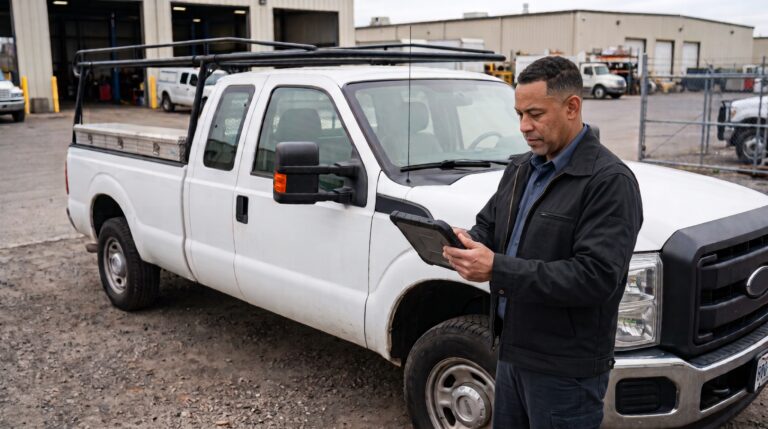
Before heading out on the road, most CDL drivers know the importance of a thorough pre-trip inspection. What’s often overlooked, however, is the post trip inspection, a critical step in vehicle safety, fleet maintenance and DOT compliance.
A post trip inspection plays a vital role in identifying vehicle defects, preventing costly breakdowns, reducing CSA violations and keeping fleets running efficiently. Whether you’re a driver, fleet manager, or safety officer, understanding how and when to conduct post trip inspections is essential.
What Is a Post-Trip Inspection?
A post trip inspection is a required vehicle inspection performed by a driver at the end of a workday or driving shift. Its purpose is to identify any mechanical issues, safety defects, or maintenance needs that occurred during operation.
How Post-Trip Inspections Differ From Pre-Trip Inspections
While pre-trip inspections focus on ensuring a vehicle is safe before it hits the road, post-trip inspections document the vehicle’s condition after use. Together, they create a continuous safety loop that protects drivers, vehicles and compliance records.
Learn more about the importance of pre-trip inspections.
Why Post-Trip Inspections Matter for DOT & FMCSA Compliance
Under 49 CFR §396.11, drivers must complete a Driver Vehicle Inspection Report (DVIR) at the end of each driving day for any vehicle operated. This applies whether defects are found or not. These reports help fleets stay compliant, audit-ready and accountable.
Why Post Trip Inspections Are Critical
Post trip inspections directly impact safety, uptime and profitability.
Improve Fleet Safety & Uptime
Catching issues early prevents unsafe vehicles from being dispatched. When defects are identified immediately after a trip, maintenance teams can address them before the next shift, keeping vehicles on the road and drivers safe.
Prevent Costly Repairs & Breakdowns
Small issues like tire wear, fluid leaks, or brake problems can quickly turn into expensive failures. Post trip inspections help detect problems before they escalate into roadside breakdowns or major repairs.
Stay Ahead of DOT Compliance Standards (Avoid Fines)
CSA violations and roadside inspection failures can result in fines, downtime and long-term compliance risks. A consistent post trip inspection process ensures defects are documented, resolved and signed off properly.
Essential Post Trip Inspection Checklist
A thorough post trip inspection checklist should cover all major vehicle systems. Below is a high-level breakdown of what drivers should review.
Exterior Components
- Tires and wheels
- Headlights, brake lights, and turn signals
- Reflectors and body damage
- Mirrors and windows
- Coupling devices and trailer connections
Engine and Mechanical Systems
- Brakes and air systems
- Fluid levels (oil, coolant, transmission)
- Suspension components
- Visible leaks or unusual noises
Interior and Safety Equipment
- Dashboard warning indicators
- Horn and windshield wipers
- Emergency equipment (fire extinguisher, triangles)
- Required documentation and driver log
For a deeper breakdown of inspections across all trip stages, see the complete vehicle inspection process.
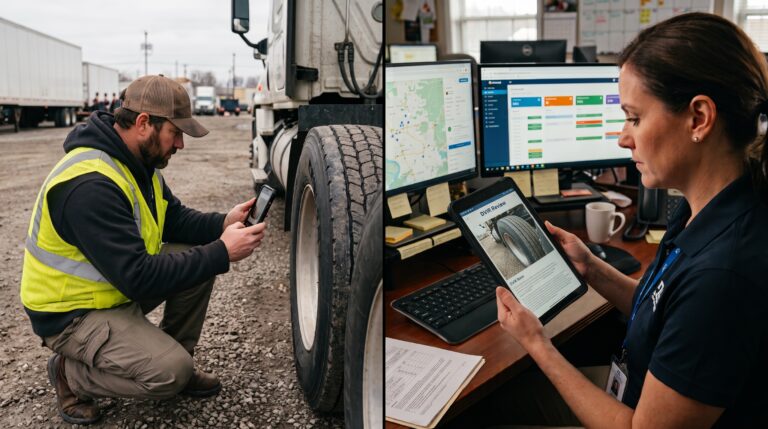
Tip: Digital inspection tools like Whip Around allow drivers to complete post trip inspections with photo evidence and real-time reporting, eliminating lost paperwork and delays.
Post-Trip Inspection Challenges & How to Solve Them
Even when inspections are required, many fleets struggle with execution and follow-through.
Delayed Maintenance Reporting
Paper DVIRs often sit in inboxes or clipboards, delaying repairs. Digital inspections turn reported defects into actionable maintenance tasks immediately.
Paper-Based System Delays
Manual DVIRs increase the risk of missing information, illegible handwriting and lost records. Switching to digital inspections improves accuracy, speed and visibility.
Learn more about the benefits of switching to digital inspections.
Driver Compliance Gaps and Scheduling Pressures
Drivers are under time pressure at the end of a shift. Mobile-friendly inspection checklists make it easier to stay compliant without slowing operations.
Lack of Real-Time Visibility for Managers
Without centralized data, managers struggle to track inspection completion and open defects. A digital dashboard provides instant insight across the entire fleet.

How Whip Around Solves Common Post-Trip Challenges
Whip Around replaces manual DVIRs with a modern, FMCSA-compliant digital inspection workflow.
Digital Inspection Benefits
- Mobile-first inspections drivers can complete in minutes
- Real-time sync with no lost reports
- Photo evidence to verify defects
Work Order Integration
- Automatically generate work orders from inspection defects
- Ensure issues are addressed before vehicles return to service
Compliance & Reporting Tools
- Searchable, exportable inspection logs
- Audit-ready records for DOT and FMCSA reviews
Fleet Dashboard Visibility
- Monitor inspection completion rates
- Track open maintenance issues across your fleet

Best Practices for Fleet Managers
Train Drivers With Visual Checklists & Digital Walkthroughs
Clear expectations and visual guidance improve inspection accuracy and consistency.
Standardize Post-Trip Protocols Across the Fleet
Define where vehicles with defects are parked, how issues are reported and who signs off on repairs.
Track Metrics to Improve Compliance
Use inspection data to identify trends, coaching opportunities and process gaps. Digital dashboards make continuous improvement easier.
Post-Trip Inspection FAQs
What’s the difference between post-trip and pre-trip inspections?
Pre-trip inspections verify roadworthiness before driving, while post trip inspections document vehicle condition after use.
Is a post-trip inspection required by DOT?
Yes. DOT regulations require drivers to complete a post trip inspection report for each vehicle operated during a workday.
What should drivers do if they find a defect?
Defects must be documented on the inspection report and reviewed by a mechanic or supervisor before the vehicle is returned to service.
Are digital inspection forms accepted by FMCSA?
Yes. FMCSA allows electronic DVIRs as long as they meet recordkeeping and accessibility requirements.
Who reviews post-trip inspection reports?
Typically fleet managers, safety officers, and maintenance teams.
How long should records be kept?
Inspection records must be retained according to FMCSA regulations, generally for at least three months.
What are the penalties for skipping inspections?
Skipping inspections can result in CSA violations, fines, failed audits and increased liability.
Final Thoughts: Why Post Trip Inspections Matter
A post trip inspection is a frontline defense against breakdowns, violations and unsafe vehicles. When combined with digital inspection tools, post trip inspections become faster, more accurate and far more effective.
If you’re ready to modernize your inspection process, reduce paperwork and keep your fleet moving safely, Whip Around can help. Book a demo today to learn more or try digital inspections for your fleet.